Which Edgeband Is Best for Your Project?
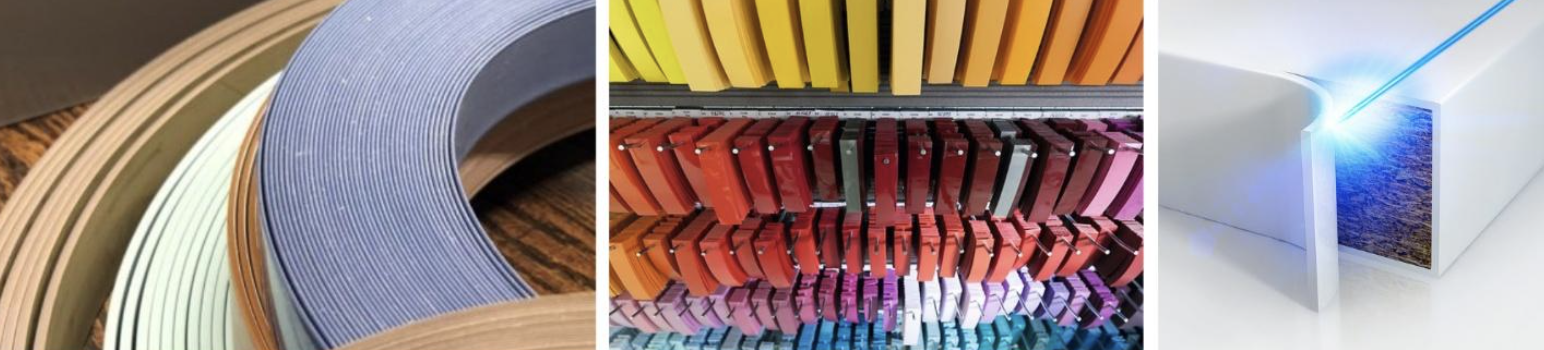
Choosing the right edgeband might seem straightforward, but the wrong selection can lead to premature wear, poor adhesion, color mismatch, or unnecessary cost. Whether you’re running high-volume cabinet production or tackling custom, one-off projects, understanding your edgeband options helps ensure durability, efficiency, and a finished look that meets expectations.
This guide breaks down the most important factors to consider when selecting edgeband. So, you can confidently choose the best solution for your application, equipment, and workflow.
Key Questions to Ask Before Choosing Edgeband
Before selecting an edgeband, evaluate how it will be used in your shop and in the final application. Questions to ask:
- What material am I edging? (MDF, particleboard, plywood, HPL)
- What will best match my surface? (Material or Texture)
- Is this a consistent production run or a project-based job?
- What equipment am I running? (standard glue, hot-air, laser)
- What thickness do I typically use? (.018, 1mm, 2mm, 3mm)
- Do I need precise color matching across jobs?
- Is durability or cost the higher priority?
Answering these questions upfront helps narrow your options quickly and avoids costly rework.
Edgeband Materials Explained
Different materials perform better in different environments. Here’s a breakdown of the most common edgeband types and where they shine.
PVC Edgeband
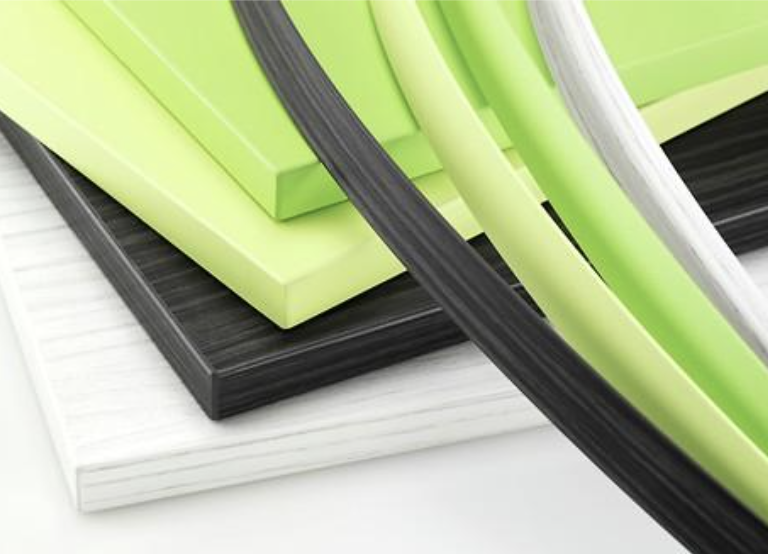
PVC is one of the most widely used edgebanding materials.
Best for:
- General cabinetry and casework
- High-volume production
- Cost-conscious applications
Benefits:
- Flexible and durable
- Easy to process
- Available in a wide range of colors and textures
ABS Edgeband
ABS offers excellent durability with a more sustainable profile. ABS is growing in popularity in design communities where sustainability and the lifecycle of materials are important considerations.
Best for:
- Residential cabinetry
- Furniture and millwork
- High-use environments
Benefits:
- Impact-resistant
- More environmentally friendly than PVC
- Clean machining and finishing
PP (Polypropylene) Edgeband
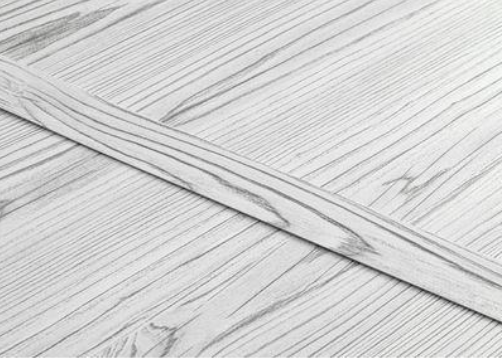
PP is a lightweight, eco-focused alternative.
Best for:
- Shops prioritizing sustainability
- Lightweight furniture applications
Benefits:
- Chlorine-free
- Flexible and durable
- Growing popularity in eco-conscious markets
Hot-Air & Laser Edgebanding
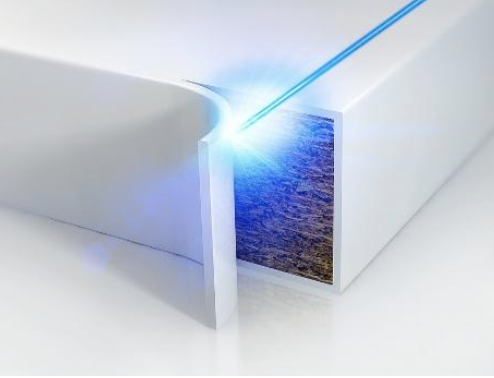
These methods require edgeband with a functional layer designed to activate with heat instead of glue. A Hot-Air or Laser Edgebander is required to run Hot-Air or Laser Edgeband.
Best for:
- High-end cabinetry
- Shops focused on seamless joints and premium finishes
Benefits:
- No glue line
- Improved moisture resistance
- Cleaner appearance
Wood Edgeband
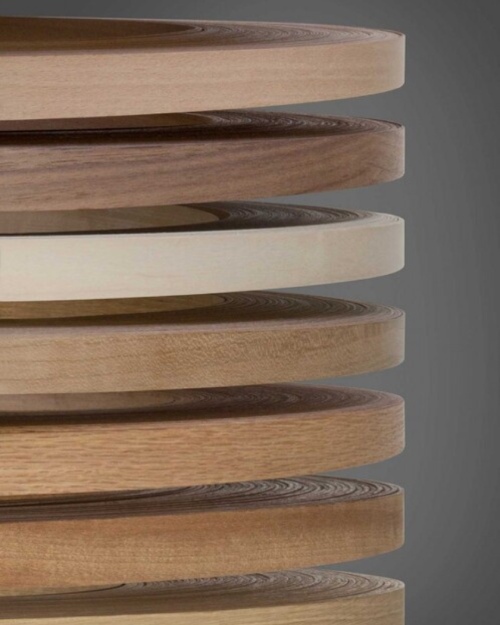
Match Solid Wood or Veneer Surfaces with Real Wood Edgebanding.
Best for:
- Wood Doors
- Architectural Panels
- Cabinet Components
Considerations
- Select a thickness that’s suitable for your project. .5mm, 1mm, 1.5mm or 3mm.
- Thicker wood edgebanding is available for face frames and other components
HPL (High Pressure Laminate) Edgeband
HPL offers maximum durability and thickness.
Best for:
- Traditional Laminate Countertops
- Residential Worksurfaces
Benefits:
- Extremely durable
- Edges Match HPL surfaces perfectly
Choosing the Right Thickness and Width
Thickness plays a major role in both durability and appearance.
Common Thickness Options
- .018 / .5mm – Budget-friendly, low-impact applications
- 1mm – Residential cabinetry and furniture
- 2mm – High-use furniture and commercial spaces
- 3mm – Heavy-duty commercial or institutional projects.
Rule of thumb: The higher the traffic and wear, the thicker the edgeband should be.
Common Width Options
Widths typically range from 15/16” to 1-5/16”, with wider options allowing for trimming flexibility and cleaner finishes.
7/8” is also a common width for real wood edgebanding, and some manufacturers have thicker widths of up to 2-1/8” available for cabinet face frames, etc.
Rule of Thumb: Select Edgeband slightly wider than your surface and then trim excess after applying. Check out the QuadTrimmer for Trimming Edgeband.
Know What Edgeband You’re Looking for? Shop Edgebanding.
Tip: Use filters to help narrow down your options.
Looking for Edgeband Samples or Assistance Matching? Contact Direct Supply today to get expert guidance, samples, or help dialing in the right edgeband for your next project.
A Practical Guide for Cabinetmakers and Millwork Shops